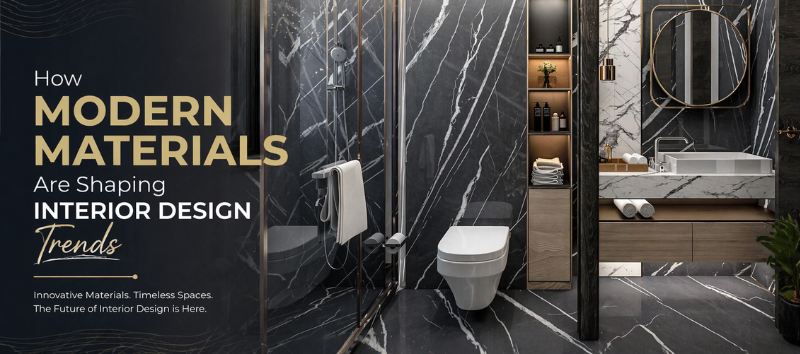
How Modern Materials Are Shaping Interior Design Trends
Interior design in the United States is rapidly evolving as architects and developers move toward performance-driven and visually refined surfaces. The demand for durability, sustainability, and aesthetic flexibility is influencing how spaces are planned and executed across residential and commercial sectors.
This transformation is strongly connected to the rise of advanced surface technologies that redefine how interiors function and appear. Among these innovations, Modern Interior Design Materials are playing a central role in shaping contemporary architectural direction.
The Shift Toward Performance-Based Interior Surfaces
Earlier interior spaces relied heavily on traditional materials such as natural stone, wood, and basic ceramics. While visually appealing, these options often required high maintenance and were not always suitable for high-traffic environments.
In contrast, modern architecture in the USA is prioritizing engineered solutions that combine strength and design consistency. The adoption of Modern Interior Design Materials reflects this shift toward long-term performance and reduced maintenance requirements.
Design professionals now evaluate materials based on durability, installation efficiency, and lifecycle cost rather than appearance alone.
Design Expectations in Contemporary American Interiors
Modern interior spaces demand seamless finishes, minimal visual interruption, and high adaptability. These expectations are especially strong in luxury residential developments and commercial spaces such as hotels and office environments.
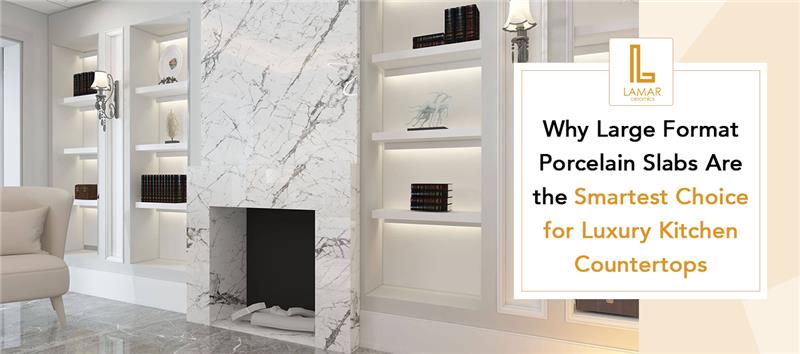
Large-format installations are increasingly preferred because they create continuous visual flow and reduce joint lines. This approach supports the minimalist design philosophy widely adopted across the USA.
Material innovation has become a key factor in achieving these design goals while maintaining structural reliability.
Role of Advanced Surface Technology in Interior Design
Modern architectural projects increasingly depend on engineered surfaces that offer both strength and visual appeal. These materials are designed to replicate natural textures while delivering superior technical performance.
A growing number of projects now source materials from a Premium Porcelain Slab Manufacturer to ensure consistency in quality and finish across large-scale developments.
This approach allows designers to maintain aesthetic continuity while meeting functional requirements in demanding environments.
Kitchen Design Transformation with Large Surfaces
Kitchen spaces in the USA are evolving into highly functional and visually integrated environments. Surfaces now need to withstand heat, stains, and frequent use while maintaining a clean aesthetic.
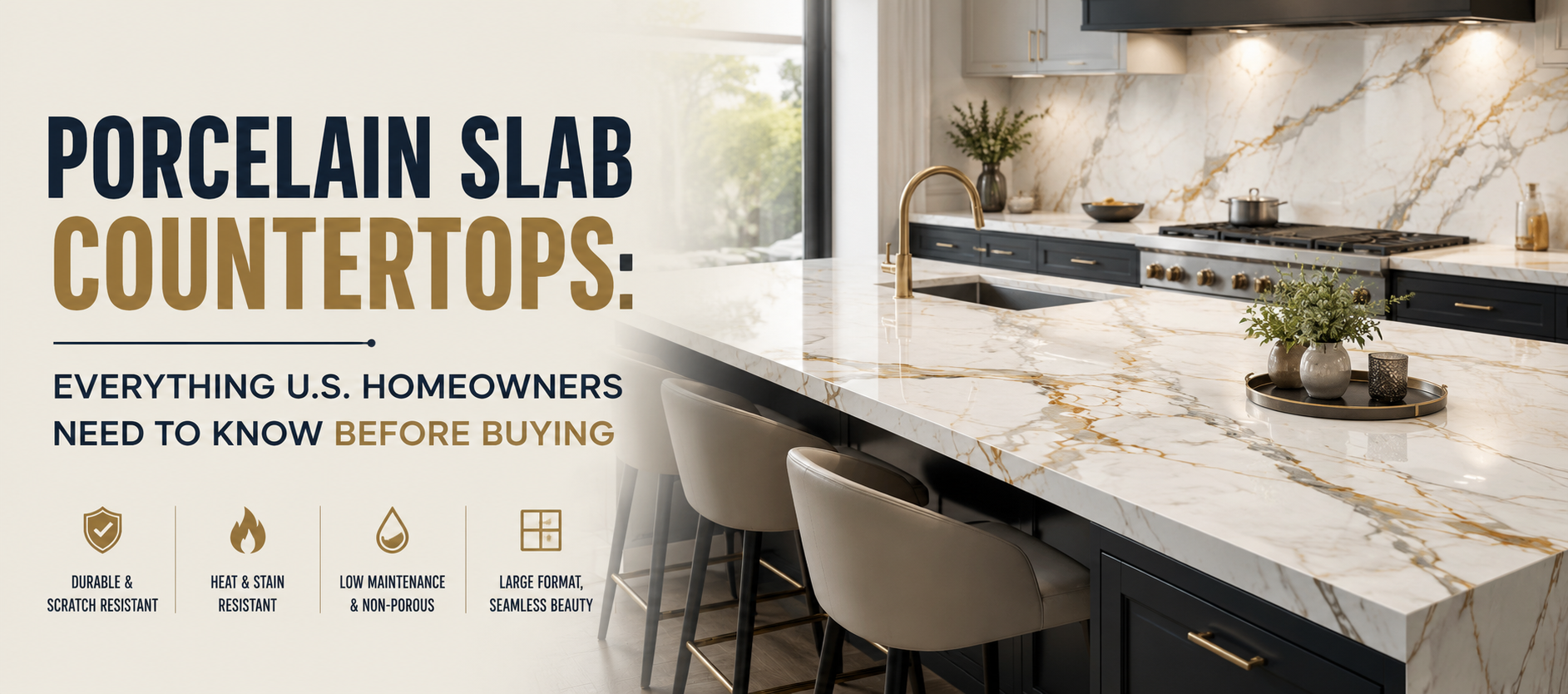
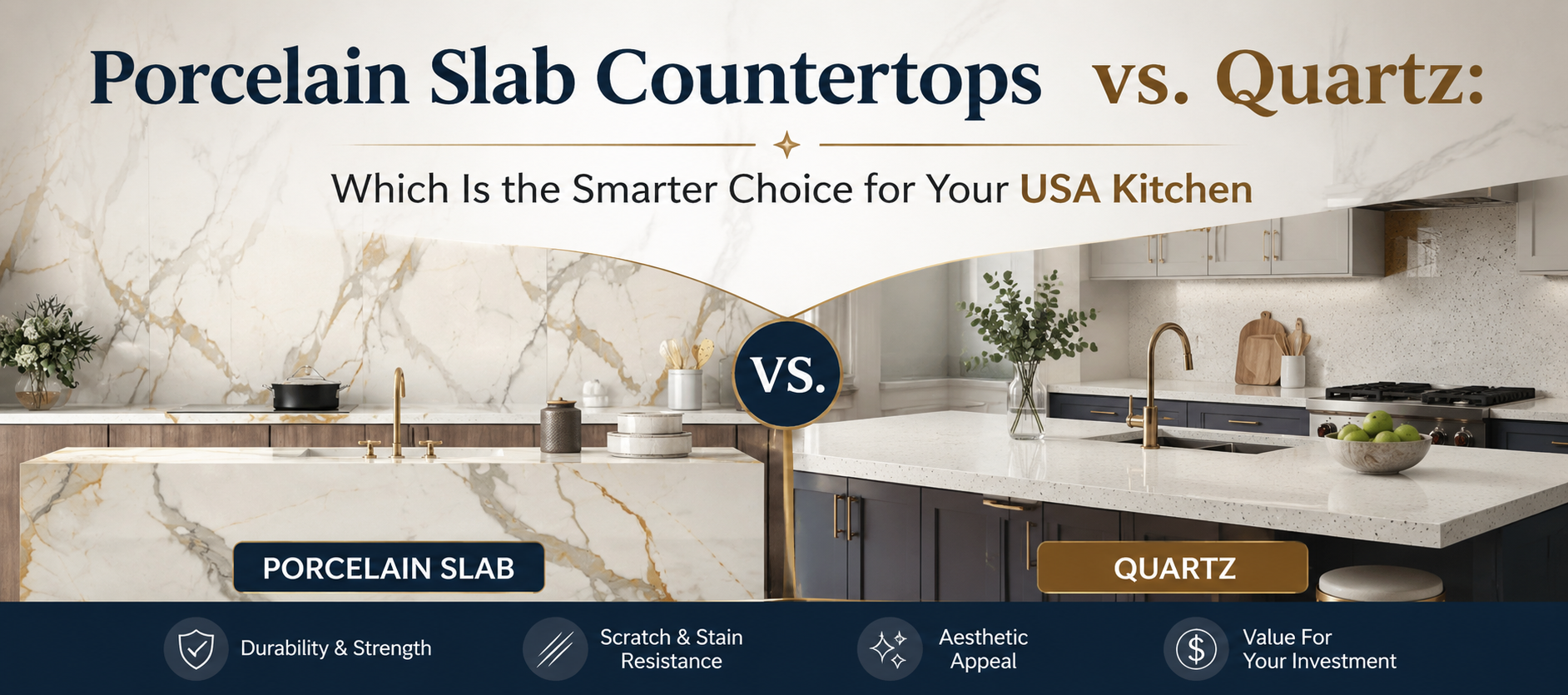
One widely adopted solution is the use of Large Porcelain Countertops, which provide durability and a seamless appearance ideal for modern kitchen layouts.
In addition, Large Format Porcelain Slabs are being used to extend surface continuity beyond countertops into islands and integrated kitchen designs.
This creates a unified visual experience that aligns with contemporary open-plan living concepts.
Wall and Backsplash Innovations in Modern Homes
Wall design has become a central element in interior styling, moving beyond basic protection into a major design feature. Designers are focusing on clean, uninterrupted surfaces that enhance spatial perception.
For this reason, Large Format Porcelain Backsplash solutions are replacing traditional mosaic tile designs in many modern kitchens.
These surfaces provide a smooth, continuous look that is easier to maintain and visually more refined.
Similarly, Large Porcelain Wall Panels are being used in living spaces and commercial interiors to create bold yet elegant wall features.
Bathroom Design and Waterproof Surface Solutions
Bathrooms require materials that can withstand constant exposure to moisture while maintaining a luxury appearance. This has led to increased adoption of engineered porcelain-based solutions.
Modern bathroom design often incorporates Porcelain Shower Wall Panels due to their water resistance and seamless installation capability.
These panels eliminate grout lines, reducing maintenance needs while enhancing hygiene and visual consistency in wet areas.
Sustainability and Long-Term Value in Material Selection
Sustainability is now a major consideration in interior design projects across the United States. Developers are under increasing pressure to use materials that minimize environmental impact.
Modern engineered surfaces are designed for long life cycles, reducing the need for replacement and lowering overall resource consumption.
This makes them a practical choice for both residential and commercial applications where sustainability standards are a priority.
Commercial and Large-Scale Application Benefits
In commercial construction, material consistency and scalability are critical. Hotels, office buildings, and retail spaces require surfaces that perform under heavy usage conditions.
The reliability offered by advanced porcelain solutions allows developers to maintain design consistency across large projects without compromising durability.
Working with a Large Porcelain Countertops supplier ensures that project requirements are met with precision and uniformity across installations.
Future of Interior Surface Design in the USA
The future of interior design is moving toward highly customizable, durable, and sustainable materials. Technological advancements are enabling manufacturers to produce surfaces that closely mimic natural textures while improving performance characteristics.
As architectural expectations continue to rise, demand for innovative solutions will continue to grow in both residential and commercial markets.
This evolution reinforces the importance of material innovation in shaping the next generation of interior spaces.
Conclusion
Interior design in the United States is being reshaped by advanced materials that prioritize durability, aesthetics, and sustainability. The transition from traditional finishes to engineered surfaces reflects a broader shift in architectural thinking. As modern spaces continue to evolve, material selection will remain one of the most important decisions in achieving functional and visually compelling environments.
FAQs
1. What are Modern Interior Design Materials?
They are engineered surface solutions designed to offer durability, aesthetic appeal, and long-term performance in modern architecture.
2. Why are engineered surfaces replacing traditional materials?
They offer better resistance to heat, moisture, and wear while requiring less maintenance over time.
3. Are porcelain surfaces suitable for kitchens and bathrooms?
Yes, they are widely used due to their water resistance, durability, and seamless design capabilities.
4. What makes large-format surfaces popular in modern design?
They reduce joints, enhance visual continuity, and create a more premium architectural appearance.
5. How do modern materials support sustainability goals?
They are long-lasting and reduce replacement frequency, helping lower environmental impact over time.
-
 May 22nd, 2026
 -
 April 24th, 2026